
Rising H1N1 (Swine Flu) Cases: Symptoms, Prevention, Risk Factors & When to Get Tested
Preventive Healthcare
• August 29, 2026
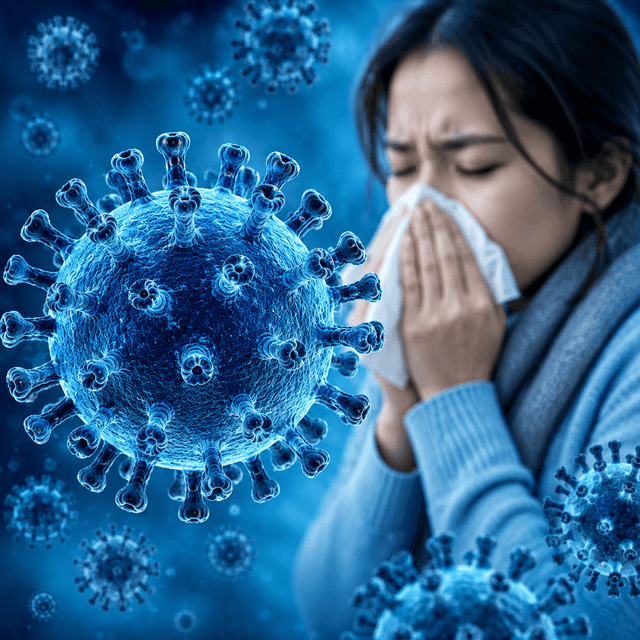
Learn about H1N1 (Swine Flu) symptoms, risk factors, prevention tips, and the importance of early testing. Stay informed and protect your health with expert guidance from Diagnum Healthcare.
Rising H1N1 (Swine Flu) Cases: Symptoms, Prevention & When to Get Tested
As seasonal infections continue to rise, H1N1 influenza (commonly known as Swine Flu) has once again become a growing health concern. With an increasing number of reported cases across various regions, it is important to understand the symptoms, risks, preventive measures, and the importance of timely testing.
At Diagnum Healthcare, we believe that awareness and early diagnosis are key to protecting yourself and your loved ones from infectious diseases like H1N1.
What is H1N1 (Swine Flu)?
H1N1 is a type of influenza virus that affects the respiratory system. It spreads from person to person through respiratory droplets released when an infected person coughs, sneezes, or talks. The virus can also spread through contact with contaminated surfaces.
While most people recover within a few days, certain individuals may develop severe complications, especially those with weakened immune systems or underlying health conditions.
Common Symptoms of H1N1
The symptoms of H1N1 are often similar to those of seasonal flu, making it difficult to distinguish without proper testing.
Common symptoms include:
High fever Persistent cough Sore throat Runny or blocked nose Body aches and muscle pain Headache Chills and fatigue Shortness of breath Nausea, vomiting, or diarrhea (in some cases)
If these symptoms persist or worsen, medical consultation and diagnostic testing are recommended.
Who is at Higher Risk?
Certain groups are more vulnerable to severe complications from H1N1 infection:
Children under 5 years of age Adults above 65 years Pregnant women Individuals with asthma or chronic lung diseases People with diabetes, heart disease, or kidney disorders Individuals with weakened immune systems
These high-risk groups should seek medical attention promptly if flu-like symptoms appear.
How Does H1N1 Spread?
H1N1 spreads through:
Coughing and sneezing Close contact with infected individuals Touching contaminated surfaces and then touching the face Crowded and poorly ventilated environments
Maintaining good hygiene practices can significantly reduce the risk of transmission.
Prevention Tips to Stay Protected
Simple preventive measures can help protect you and your family:
- Wash Hands Frequently
Use soap and water for at least 20 seconds or an alcohol-based hand sanitizer.
- Wear a Mask in Crowded Places
Masks help reduce the spread of respiratory infections, especially during outbreaks.
- Avoid Close Contact with Sick Individuals
Maintain distance from people showing flu-like symptoms.
- Cover Your Coughs and Sneezes
Use a tissue or your elbow to cover your mouth and nose.
- Strengthen Your Immunity
Maintain a balanced diet, stay hydrated, exercise regularly, and get adequate sleep.
- Stay Home if You Are Unwell
Avoid spreading the infection to others by resting and isolating when symptoms appear.
Why Early Testing Matters
Because H1N1 symptoms closely resemble those of seasonal flu and other respiratory infections, accurate diagnosis is essential. Early detection helps healthcare providers recommend appropriate treatment and preventive measures, reducing the risk of complications.
Timely testing is especially important for high-risk individuals, elderly patients, pregnant women, and those experiencing severe symptoms.
H1N1 Testing at Diagnum Healthcare
Diagnum Healthcare offers reliable diagnostic services to support timely detection of infectious diseases. Our testing services are designed to provide accurate results with professional sample collection and efficient reporting.
Why Choose Diagnum Healthcare?
Accurate and reliable testing NABL-standard quality processes Experienced healthcare professionals Convenient home sample collection Timely report delivery Trusted diagnostic support
Final Thoughts
With H1N1 cases on the rise, staying informed and taking preventive measures is more important than ever. Recognizing symptoms early, practicing good hygiene, and getting tested when necessary can help protect both individual and community health.
If you or a family member are experiencing flu-like symptoms, do not ignore them. Consult a healthcare professional and consider timely diagnostic testing for proper evaluation.
Stay informed. Stay protected. Stay healthy with Diagnum Healthcare.
